

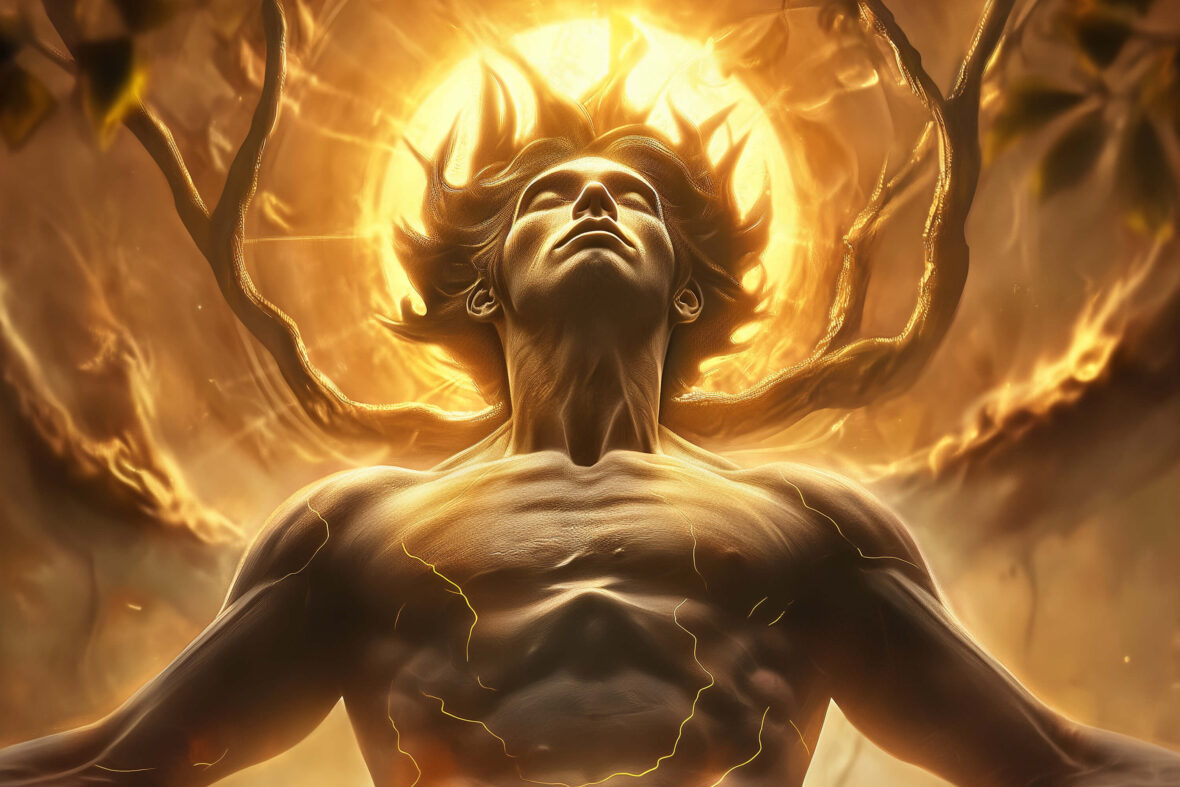
Lucius the Eternal : A Warrior Who Never Truly Dies
Every Great Journey Encounters Defeat
Some stories are not meant to describe characters. They are meant to reflect something inside us.
Life rarely unfolds in a straight line. There are moments when our plans fail, our hopes are tested, and the path ahead seems hidden behind uncertainty. Many people abandon their dreams at these crossroads. Others continue forward despite the obstacles.
This is where the idea of Lucius the Eternal becomes fascinating.
Lucius the Eternal is often viewed as a fascinating fictional character, presents a darker possibility: immortality without growth. Known within the Warhammer 40,000 universe as a legendary swordsman cursed with perpetual resurrection,
Yet beneath the Armor and battles lies a profound symbolic lesson about the human condition. His story can be interpreted as a reflection of ego, obsession with perfection, and the endless cycles people create within their own lives.
When viewed through a philosophical lens, Lucius becomes more than a warrior. He becomes a mirror.
While many people know Lucius the Eternal as a fictional warrior, his story can also be viewed through a symbolic lens. Beyond battles and fantasy, there is a deeper lesson about perseverance, resilience, and the determination to continue pursuing one’s destiny regardless of setbacks.
The Lucius the Eternal meaning can therefore extend beyond fiction and become a reflection of a universal human experience: the refusal to surrender.
Who Is Lucius the Eternal?
Lucius is renowned for his exceptional combat skills and his relentless pursuit of perfection. His desire to become the greatest swordsman evolves into an all-consuming obsession. Even death cannot stop him. Through a supernatural curse, those who kill him and feel satisfaction in their victory may eventually become the vessel through which Lucius returns.
This unique form of immortality makes him one of the most intriguing figures in modern fantasy lore. Yet his endless resurrections raise an important question:
If a person continues to exist forever but never transcends their flaws, is that truly immortality or simply repetition?
The Symbolism of Endless Rebirth
Many spiritual traditions speak about rebirth, renewal, and transformation. However, authentic transformation requires learning, awareness, and inner evolution.
Lucius experiences rebirth without transformation.
He returns again and again carrying the same ambitions, the same pride, and the same attachment to personal superiority. His story symbolizes a cycle many people unknowingly experience in everyday life.
Some individuals repeatedly encounter similar conflicts, relationships, disappointments, or emotional wounds. Although circumstances change, the underlying patterns remain the same.
The external story evolves, but the internal consciousness remains trapped.
In this sense, Lucius the Eternal represents the human tendency to repeat lessons that have not yet been understood.
The Pursuit of Perfection
Perfection can inspire excellence. It can motivate growth, discipline, and mastery.
However, perfection can also become a prison.
Lucius dedicates himself to becoming the ultimate warrior. His identity becomes inseparable from his abilities. Success is no longer something he pursues, it becomes who he believes he is.
This mirrors a common challenge in modern life.
Many people define themselves entirely through:
- Professional achievement
- Social recognition
- Physical appearance
- Wealth accumulation
- Intellectual superiority
While these pursuits can be valuable, problems arise when self-worth depends upon them.
The desire to improve becomes an inability to accept imperfection.
Growth becomes obsession.
Achievement becomes identity.
Lucius symbolizes what happens when perfection is pursued without wisdom.
The Ego That Refuses to Die
Across spiritual traditions, the ego is often described as the false self, the identity built from comparison, attachment, pride, and fear.
The story of Lucius can be interpreted as the story of an ego that refuses to die.
Every defeat becomes temporary.
Every ending becomes another beginning.
Every opportunity for humility is transformed into another chance for self-glorification.
Many people experience something similar on a psychological level. Even after setbacks, they rebuild the same beliefs that created suffering in the first place.
The ego adapts.
It changes its appearance.
It adopts new goals.
Yet its fundamental structure remains unchanged.
Lucius reminds us that survival alone is not evolution.
Lucius the Eternal: The Difference Between Immortality and Growth
Perseverance creates growth because each challenge teaches something new:
| Challenge | Hidden Opportunity |
| Failure | Learning |
| Rejection | Improvement |
| Delay | Patience |
| Loss | Strength |
| Uncertainty | Adaptability |
The path toward meaningful achievement is rarely defined by perfection. It is defined by the willingness to continue.
Modern culture often celebrates longevity, success, and influence. Yet spiritual traditions throughout history have emphasized a different goal: awakening.
A person may live many years and never truly grow.
Another may experience profound transformation in a single moment of insight.
The tragedy of Lucius the Eternal is not that he cannot die.
The tragedy is that he cannot transcend himself.
His immortality becomes a metaphor for existence without awakening.
This invites readers to ask an important question:
Am I merely repeating experiences, or am I learning from them?
Breaking the Cycle
Unlike Lucius, human beings possess the ability to consciously evolve.
Growth begins when we:
- Question our assumptions.
- Learn from failure.
- Release unhealthy attachments.
- Embrace humility.
- Develop self-awareness.
The cycles that govern our lives are not necessarily permanent.
Awareness creates freedom.
Reflection creates transformation.
Consciousness creates new possibilities.
The moment we begin observing our patterns, we gain the power to change them.
Conclusion : Lucius the Eternal
The story of Lucius the Eternal offers more than entertainment. It provides a symbolic exploration of perfectionism, ego, and the cycles that can keep individuals trapped within their own limitations.
His endless resurrections demonstrate that survival alone is not growth. Repetition alone is not wisdom. Immortality alone is not enlightenment.
The true measure of life is not how many times we begin again, but how deeply we evolve with each new beginning.
Perhaps the greatest victory is not defeating an opponent.
Perhaps it is transcending the version of ourselves that no longer serves our growth.
Call to Action
Have you ever noticed recurring patterns in your life that seem to repeat despite changing circumstances? Share your thoughts in the comments below and join the conversation about personal growth, self-awareness, and the journey toward higher consciousness.
Explore more insights on Raiseyourdimensions.com and continue raising your dimensions of understanding.