

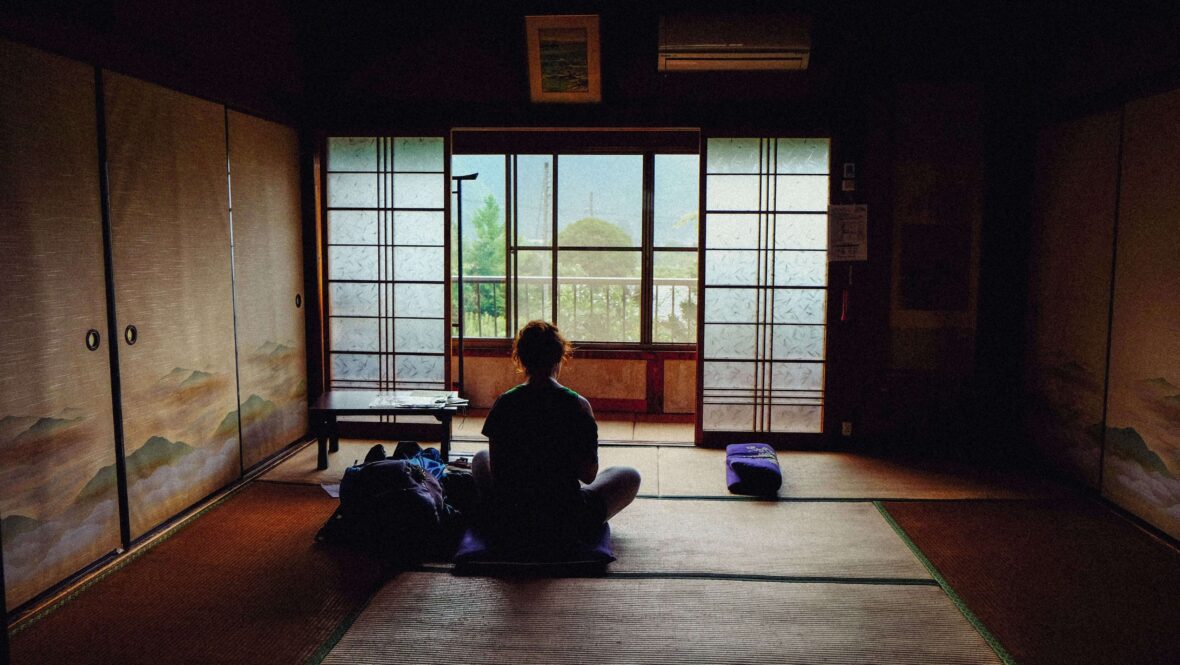
Ikigai: Why Are We Searching for Meaning?
Have you ever asked yourself:
- Why am I doing what I am doing?
- “What gives my life real meaning?”
- How can I create a life that feels fulfilling rather than simply successful?
- “What gives my life real meaning?”
- “How can I create a life that feels fulfilling rather than simply successful?”
In life many people achieve professional milestones yet still experience a feeling of emptiness. They have careers, responsibilities, and achievements, but they are searching for deeper satisfacion.
This is where the Japanese concept of ikigai offers a powerful perspective.
Iki-gai is not just about finding a dream career. It is about discovering the reason that makes you wake up every morning with energy, direction, and purpose.
The word combines two Japanese concepts:
- Iki (生き) meaning life or being alive
- Gai (甲斐) meaning value, worth, or reason
Together, ikigai means “a reason for being” or “a reason to live.”
What Is Ikigai?

It is a Japanese philosophy that helps individuals discover purpose, meaning, and fulfillment by understanding what gives their life value.
It represents the connection between:
- What you love
- What you are good at
- What the world needs
- What you can contribute or receive value from
The popular iki-gai model presents these four areas as overlapping circles, with your ikigai existing at their intersection.
However its deeper meaning of goes beyond this diagram.
Traditional Japanese understanding of iki-gai is not limited to career success. It can come from:

- Relationships
- Personal growth
- Helping others
- Creativity
- Learning
- Daily routines
- Small moments of happiness
Your ikigai does not always have to be something extraordinary. Sometimes it is found in ordinary things that create extraordinary meaning.
The Four Elements of Ikigai Explained
What You Love (Passion)
The first element asks:
What activities make you feel alive?
These are things that naturally attract your attention and bring emotional satisfaction.
Examples:
- Writing
- Teaching
- Creating art
- Helping people
- Solving problems
- Learning new skills
Your passion reveals what connects with your inner self.
What You Are Good At (Strengths)
Your iki-gai also connects with your abilities.
Ask yourself:
- What skills come naturally to me?
- What do others appreciate about me?
- What challenges do I enjoy solving?
Your strengths are not only professional skills. They can include:
- Communication ability
- Empathy
- Leadership
- Creativity
- Analytical thinking
Understanding your strengths helps you build confidence and direction.
3. What The World Needs (Contribution)
A meaningful life often comes from contribution.
It encourages us to ask:
“How can my abilities create value for others?”
Contribution can happen through:
- Your profession
- Community service
- Supporting family
- Sharing knowledge
- Creating useful solutions
Purpose grows when personal satisfaction connects with positive impact.
4. What You Can Receive Value From (Sustainability)
A sustainable purpose requires balance.
Your ikigai should ideally create value that supports your life.
This may include:
- Career opportunities
- Business creation
- Professional recognition
- Financial stability
However, money alone does not create ikig-ai. Financial rewards are one part of a larger picture of meaningful living.
How To Find Your Iki-gai: A Practical Step-by-Step Approach
Finding your iki-gai is a journey of self-discovery.
Step 1: Identify Your Joy
Write down:
- Activities you enjoy
- Moments when you feel energized
- Things you can do for hours without feeling tired
These clues reveal your interests.
Step 2: Discover Your Strengths
Reflect on:
- Your achievements
- Feedback from others
- Skills developed through experience
Often, our greatest strengths are things we underestimate because they feel natural to us.
Step 3: Understand Your Contribution
Ask:
- Who benefits from my work?
- What problems can I solve?
- What positive change do I want to create?
Purpose becomes clearer when connected with service.
Step 4: Experiment and Adjust
Ikigai is not discovered instantly.
It develops through:
- Trying new experiences
- Learning
- Reflection
- Making adjustments
Your purpose can evolve as your life changes.
Finding Meaning at Work
Many people believe ikigai means leaving everything behind and pursuing a dream career.
That is not always true.
You can find iki-gai within your existing profession by connecting your work with:
- Personal values
- Strengths
- Contribution
- Growth
For example:
- A teacher’s iki-gai may come from helping students transform their lives.
- A healthcare professional’s ikigai may come from healing and supporting people.
- A manager’s ikigai may come from developing people and building successful teams.
The key question is not only:
“What job do I have?”
but:
“Why does my work matter?”
Personal Growth: Building a Meaningful Life
Ikigai supports personal development because it encourages self-awareness.
People who understand their purpose often develop:
- Greater motivation
- Emotional resilience
- Better decision-making
- Stronger relationships
- More satisfaction
A meaningful life is not necessarily a perfect life.
It is a life where your actions are aligned with your values.
Common Misunderstandings About Ikigai
Myth 1: Ikigai Means Finding One Perfect Purpose
Reality:
Your ikigai can change throughout life.
A young person’s ikigai may focus on learning and exploration.
A parent’s ikigai may focus on family.
A professional’s ikigai may focus on contribution.
Myth 2: Ikigai Is Only About Career
Reality:
Ikigai includes every meaningful aspect of life.
Your purpose can come from relationships, creativity, spirituality, learning, or service.
Myth 3: Finding Ikigai Happens Quickly
Reality:
Discovering your purpose requires reflection and experience. (Elevate How You Learn and Connect)
It is a continuous journey.
Benefits of Understanding
Practicing the ikigai philosophy can help you:
1. Create Clearer Life Direction
Knowing your values helps you make better decisions.
2. Increase Motivation
Purpose creates internal motivation.
3. Improve Work Satisfaction
Connecting work with meaning reduces feelings of emptiness.
4. Build Emotional Wellbeing
Meaningful activities contribute to happiness and fulfillment.
5. Develop Authentic Confidence
When your actions align with your values, you develop stronger self-awareness.
Examples in Real Life
Example 1: A Writer
- Loves storytelling
- Has writing skills
- Helps people through ideas
- Earns income through content creation
Possible ikigai: Sharing knowledge through writing.
Example 2: A Healthcare Professional
- Loves helping people
- Has medical expertise
- Meets community needs
- Builds a meaningful career
Possible ikigai: Improving people’s wellbeing.
Example 3: A Mentor
- Enjoys guiding others
- Has life experience
- Creates positive impact
- Builds professional relationships
Possible ikigai: Helping others grow.
Frequently Asked Questions
What does ikigai mean?
Ikigai means a reason for being. It is a Japanese philosophy focused on discovering purpose, meaning, and fulfillment in life.
What are the four elements of ikigai?
The four elements are:
- What you love
- What you are good at
- What the world needs
- What creates value for you
How do I find my ikigai?
You can it by exploring your passions, strengths, values, and ways you can contribute to others.
Is it only related to career?
No. it applies to all areas of life, including relationships, personal growth, creativity, and service.
Why is it important?
It helps people create a stronger connection between their daily actions and their deeper purpose.
Final Thoughts: Your Ikigai Is Your Personal Journey
It is not a destination waiting to be discovered. It is a process of understanding yourself and creating a life aligned with your values.
In a world where people often measure success through achievements, income, and status, it reminds us that true fulfillment comes from meaning.
Your iki-gai may already exist within your experiences, talents, relationships, and contributions.
The journey begins with a simple question:
“What makes my life meaningful?”
Your answer may become the beginning of your most fulfilling chapter.
Start your journey of self-discovery today—because understanding your purpose is the first step toward creating a more fulfilling life.
Iki-gai vs Purpose: What Is the Difference?
| Ikigai | Purpose |
| Japanese concept of meaningful living | A broader concept found across cultures |
| Focuses on daily motivation and fulfillment | Focuses on direction and contribution |
| Often connected with personal joy and value | Often connected with goals and mission |
| Can include small everyday activities | Usually refers to a larger life direction |
Both concepts encourage people to live intentionally.